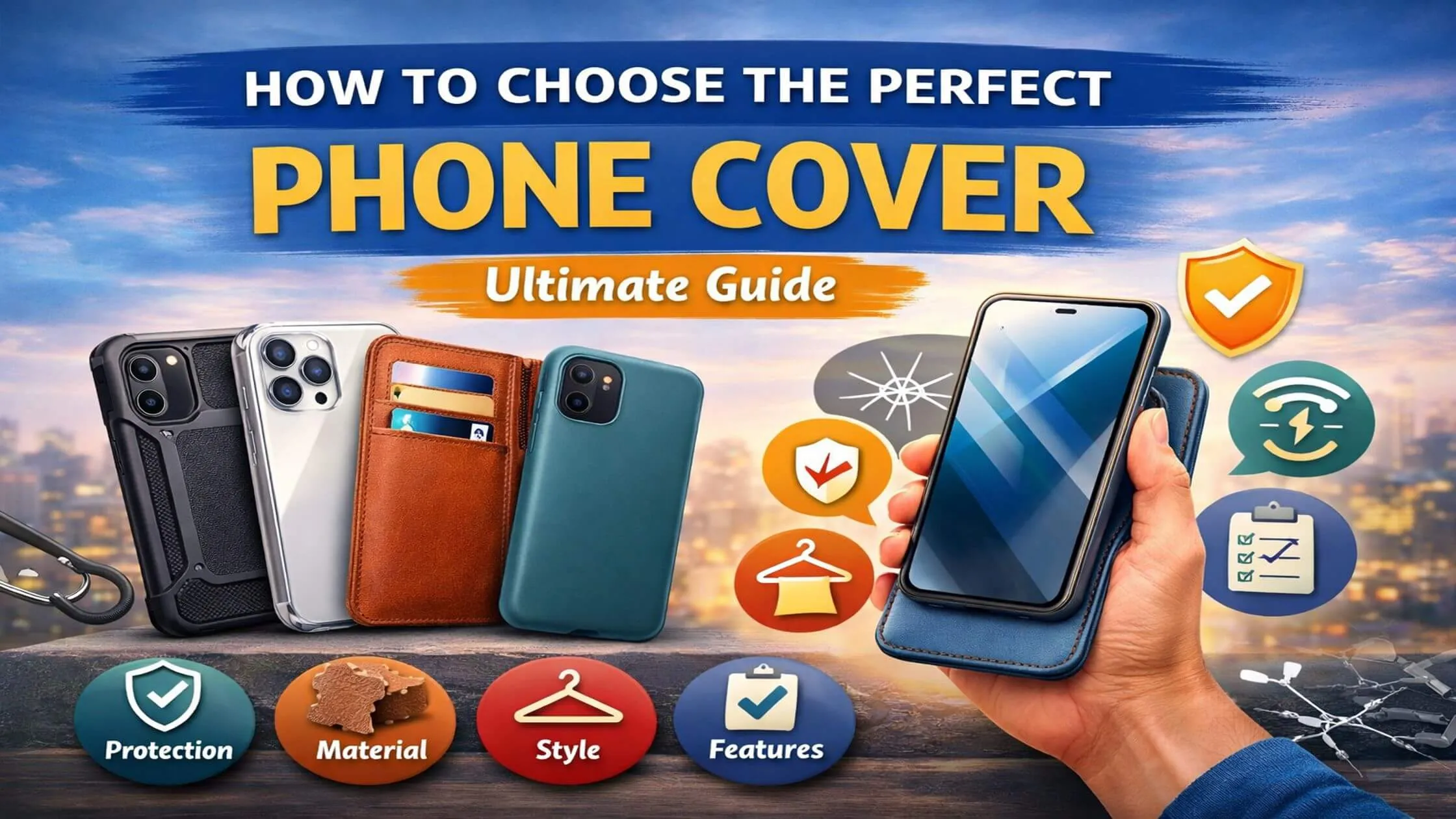
When learning how to choose the perfect phone cover, the first step is understanding your daily usage. Not all users require the same level of protection or design.
With hundreds of options available, from ultra-slim cases to rugged armor covers, most people end up either:
Overpaying for features they don’t need
Or worse, buying a cover that doesn’t actually protect their phone
This ultimate guide solves that problem.
You’ll learn:
How to pick the right type of phone cover
Which materials offer the best protection
What features actually matter (and what’s just marketing)
Real-world buying tips most blogs don’t tell you
Understanding Your Needs First
Before choosing a phone cover, ask yourself one question:
👉 “What do I actually need this cover for?”
Different Users, Different Needs
User Type
Best Cover Type
Why
Minimalist
Slim case
Lightweight, stylish
Clumsy user
Rugged case
Maximum protection
Fashion lover
Designer case
Aesthetic appeal
Traveler
Wallet case
Utility + storage
Gamer
Heat-dissipating case
Performance support
Types of Phone Covers Explained
1. Slim Cases (Minimal Protection)
Slim cases are perfect if you want:
Lightweight feel
Original phone design visibility
Pocket-friendly size
Pros:
Ultra-thin
Stylish
Affordable
Cons:
Low drop protection
No shock absorption
👉 Best for: Careful users
2. Rugged Cases (Maximum Protection)
These are built like armor for your phone.
Features:
Multi-layer protection
Shock-absorbing corners
Raised edges for screen safety
Pros:
Excellent drop protection
Long-lasting durability
Cons:
Bulky
Heavier
👉 Best for: Outdoor users, travelers
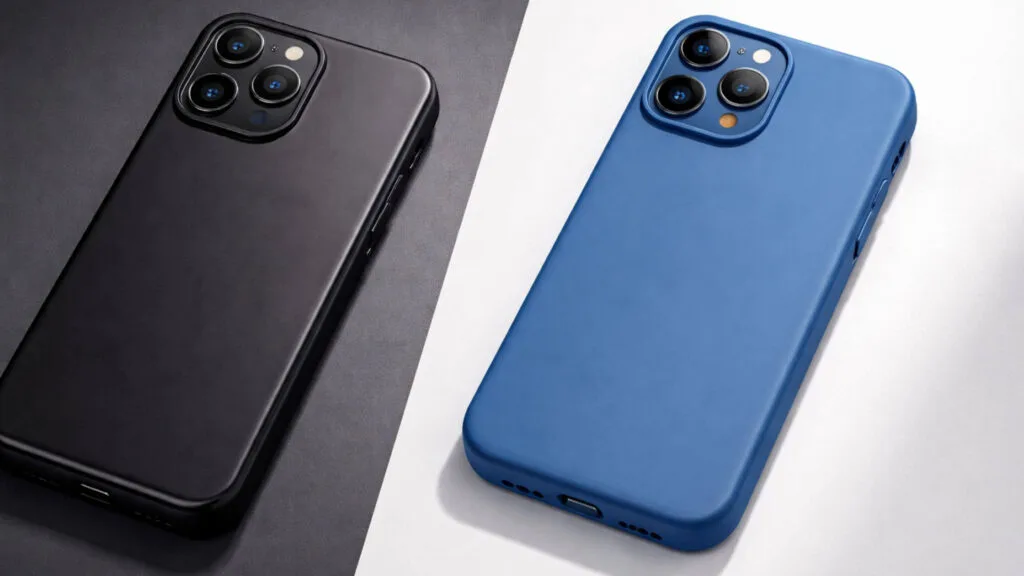
3. Silicone & TPU Cases (Balanced Choice)
This is the most popular category.
Why people love it:
Flexible
Good grip
Moderate protection
Pros:
Shock absorption
Affordable
Easy to install
Cons:
Can turn yellow over time
👉 Best for: Everyday use
4. Hard Plastic Cases
These are rigid and stylish.
Pros:
Scratch-resistant
Lightweight
Cons:
Poor shock absorption
👉 Best for: Style-focused users
5. Wallet & Flip Covers
These combine protection + utility.
Features:
Card slots
Magnetic closure
Full-body protection
Pros:
Multi-functional
Screen protection included
Cons:
Bulky
Slower access
👉 Best for: Business users
6. Transparent Cases
Want to show off your phone design? This is for you.
How to Choose the Perfect Phone Cover (Step-by-Step Framework)
Follow This Simple Formula:
Identify your usage style
Decide protection level
Choose material
Check features
Compare designs
Read reviews
Comparison Table: Which Phone Cover Should You Buy?
Feature
Slim Case
Rugged Case
TPU Case
Protection
Low
High
Medium
Weight
Light
Heavy
Medium
Style
High
Low
Medium
Price
Low
High
Medium
Frequently Asked Questions: Choosing the Perfect Phone Cover
Which type of phone cover is best for protection?
Rugged cases offer the highest level of protection with multi-layer defense and shock absorption.
Are silicone cases good for phones?
Yes, silicone cases provide good grip and moderate protection, making them ideal for daily use.
Do transparent cases turn yellow?
Yes, most transparent cases can turn yellow over time due to UV exposure and heat.
What material is best for phone covers?
TPU and hybrid materials are considered the best due to their balance of flexibility and durability.
Is a costly phone cover worth it?
If it offers better protection and durability, investing in a quality cover can save repair costs.
Conclusion
Choosing the perfect phone cover isn’t about picking the most expensive or the most stylish option. It’s about finding the right balance between protection, functionality, and design.
If you understand your usage, compare materials, and avoid common mistakes, you can easily choose a phone cover that:
Protects your device
Matches your style
Lasts longer
A small investment today can save you from expensive repairs tomorrow.